
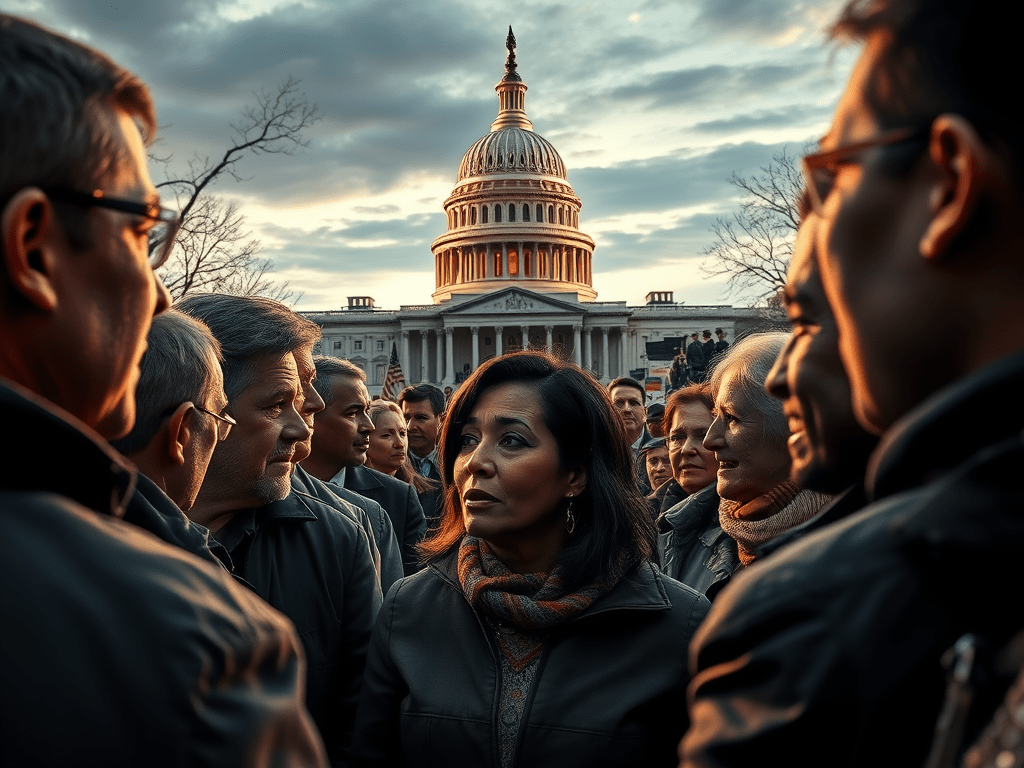
There’s something different in the air in Washington, D.C. lately—and it’s not just the humidity. The nation’s capital has found itself in the middle of a political and legal tug-of-war, where the streets, the courts, and the Council chambers are all part of the same arena.
The Federal Swoop-In
In a move that caught many off guard, President Trump ordered a seven-day “surge” of federal law enforcement into D.C. Citing rising violent crime, the call-up brought in agencies from the FBI to the U.S. Marshals, promising visible action. But while the headlines roared, the reality on the ground was quieter than expected—reports say the increase in officers wasn’t nearly as dramatic as billed.
The bigger story? The President’s threat to federalize the city. That’s not just extra boots on the ground—it would roll back the District’s 50-year experiment with home rule, giving the federal government direct control over local decisions. For a city that’s long fought for representation and autonomy, that’s a gut punch.
Youth, Justice, and the Curfew Clock
Meanwhile, Mayor Muriel Bowser signed the Juvenile Curfew Emergency Amendment Act of 2025, extending curfew hours in an effort to address youth-involved crime. Supporters call it a needed step for safety; critics worry it chips away at the District’s rehabilitative approach to juvenile justice.
Adding fuel to the debate, U.S. Attorney Jeanine Pirro has been openly critical of D.C.’s recent justice reforms—things like record sealing for young offenders and reduced sentencing. Her message? Too soft. Her ask? Roll it back.
The Wage Debate: What’s Fair, What’s Affordable
Not all the action is about crime. On July 1, the city’s minimum wage rose to $17.95 an hour—one of the highest in the nation. But for tipped workers, things took a sharp turn. The D.C. Council paused their scheduled raise and rewrote voter-approved Initiative 82. Instead of phasing out the tipped wage by 2027, it will now linger until 2034, and even then, only rise to 75% of the regular minimum wage.
For restaurant workers, it’s a bitter pill—many feel their vote has been ignored. For business owners, it’s a sigh of relief in uncertain economic times.
Why This Matters
What’s playing out in D.C. isn’t just about crime stats or paychecks—it’s about who gets to decide the city’s future. Will local leaders keep the power to shape policies that reflect D.C.’s values, or will federal authorities dictate the terms? And when voter-approved laws can be rewritten by the Council, what does that mean for democratic trust?
The capital is more than a symbol—it’s a living, breathing community of over 700,000 people. Their daily lives are being shaped by a swirl of emergency laws, political brinkmanship, and economic recalibrations. The stakes feel high because they are.
For now, D.C. remains in this strange, precarious place—part self-governing city, part federal jurisdiction. And as history has shown, the fight over who gets the final say is never really over.



 Adventures of a Lonely, Bookish, Black Girl
Leave a Reply