

For now, aligning with the right ideas feels like safety. It means you won’t be punished for saying the wrong thing. But one day, your words might not align—and then you, too, could disappear.
There was a man who understood this too late. His name was Martin Niemöller. He learned that silence does not protect anyone. Let me tell you about him.
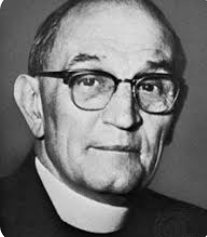
Martin Niemöller: A Voice of Conscience in Nazi Germany
Martin Niemöller (1892–1984) was a German Lutheran pastor and theologian best known for his outspoken opposition to Adolf Hitler and the Nazi regime—and for a famous quote that begins, “First they came for the socialists…”
- Early Life and WWI: Niemöller was a submarine commander in World War I and initially supported nationalism and Hitler’s early rise. He believed the Nazi regime would restore pride and stability to Germany.
- Break with Hitler: Over time, Niemöller became alarmed by Hitler’s interference in church affairs and the regime’s persecution of Jews and other minorities. In 1934, he helped form the Confessing Church, a Protestant movement that opposed Nazi control over German churches.
- Imprisonment: His dissent led to his arrest in 1937. He was imprisoned in Sachsenhausen and later Dachau concentration camps, where he remained until 1945.
- Postwar Activism: After the war, Niemöller became a pacifist and anti-nuclear activist. He deeply regretted not speaking out sooner against Nazi atrocities, especially the Holocaust. His reflection on this silence led to the famous poem often quoted today to highlight the dangers of apathy in the face of injustice.
Famous Quote (paraphrased from various versions):
“First they came for the socialists, and I did not speak out—because I was not a socialist…”
Sources:
- United States Holocaust Memorial Museum
- German Resistance Memorial Center

I learned a lot today about Martin’s famous quote.
The original quote by Martin Niemöller changed over time and was not initially written down in a single fixed form. However, one of the earliest known versions, delivered in a speech in 1946, went like this (translated from German):
“When the Nazis came for the Communists, I remained silent;
I was not a Communist.When they locked up the Social Democrats, I remained silent;
I was not a Social Democrat.When they came for the trade unionists, I did not speak out;
I was not a trade unionist.When they came for the Jews, I did not speak out;
I was not a Jew.When they came for me, there was no one left to speak out.”
Notes:
- The first group mentioned was originally Communists, reflecting early Nazi persecution.
- Niemöller modified the order and wording in different speeches and writings to suit his audience.
- The most well-known version today often starts with “First they came for the Socialists…” due to popular adaptations, especially in the U.S.
Origins of the Quote
- The Quote: Often referred to as “First they came…”, the quote is a poetic reflection on the consequences of not speaking out against oppression.
- When It Was Written: Niemöller began publicly using versions of the quote after World War II, especially during speeches in the late 1940s and 1950s.
- Context: It expressed his deep regret for initially supporting the Nazis and remaining silent while the regime targeted various groups. It serves as a warning about the cost of indifference and complicity.
It is so easy to be overwhelmed during this time, which is why I think leaning into community is so important. Martin’s speech highlights the importance of Moral Responsibility, Warns Against Apathy and Encourages Solidarity. All while those in power want us more divided than ever. This is why, when I help at food shelves, or see someone being hurt, I seek to care FIRST.
Key Themes
- Moral Responsibility: Encourages individuals to speak up against injustice, even when it doesn’t affect them personally.
- Warning Against Apathy: Demonstrates how inaction enables systemic oppression.
- Collective Solidarity: Suggests that defending others’ rights is also defending your own.
Legacy
- The quote is often cited in Holocaust education, human rights campaigns, and anti-oppression movements.
- It is inscribed at the United States Holocaust Memorial Museum in Washington, D.C.
- I imagine the legacy of this quote will be expanded to encompass anyone who is impacted by the decaying rights here in the US.
Sources:
- United States Holocaust Memorial Museum: ushmm.org
- Facing History & Ourselves: facinghistory.org
- Niemöller Foundation: niemoller-stiftung.de



 Adventures of a Lonely, Bookish, Black Girl
Leave a Reply