
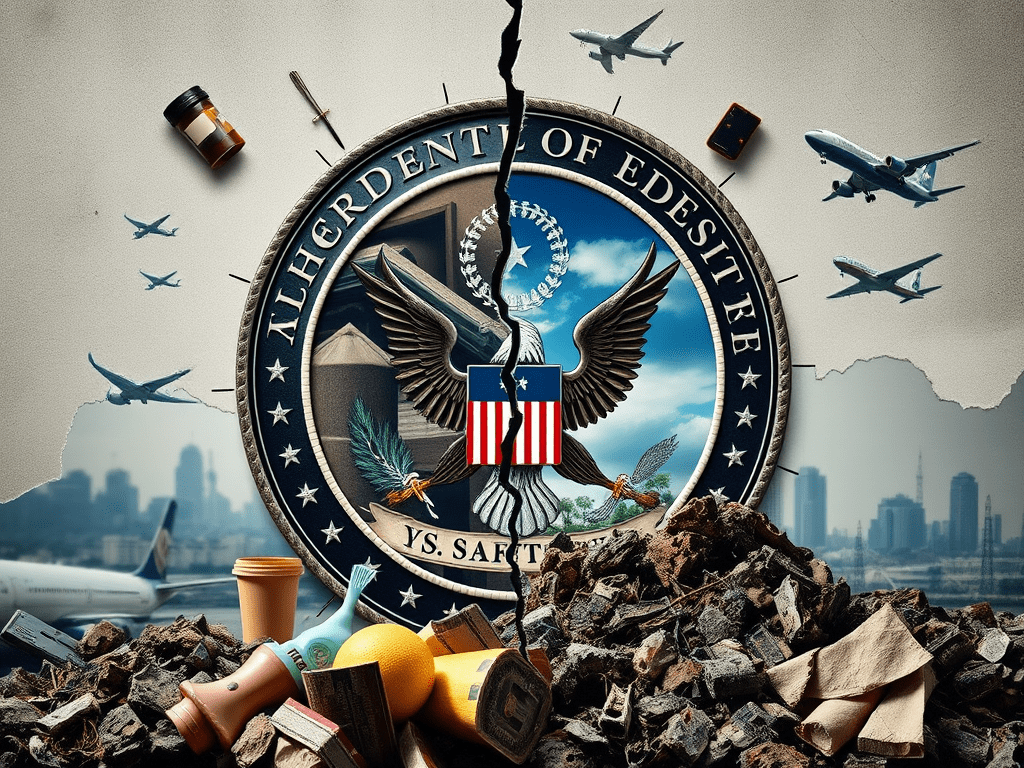
We’re getting jacked, their breaking the US, and right now is the time to lock in, I still can’t believe this is happening in our own country.
When Warren G so eloquently rapped this song, I bet he did not know that I would use some of the lyrics to write a blog about how the president’s quick axe to government programs have impacted and will impact our country for years to come. I decided to take a look at what’s happening. Here is my assessment and where I think we may see the dismantling of government impact main street first.
So, what is the big deal about deregulation? What are the potential impacts?
Certain industries—particularly those that deal directly with public health, critical infrastructure, or the environment—are often singled out for more stringent regulation precisely because any lapse in safety can have large-scale or irreversible consequences.


Here are a few examples:
- Healthcare and Pharmaceuticals
- Why Safety Matters: Medications, medical devices, and healthcare services directly affect patient outcomes. Any reduction in oversight could lead to compromised patient safety or the introduction of untested treatments.
- Common Safeguards: The Food and Drug Administration (FDA) review process, clinical trials, and continued monitoring of approved treatments.
- Nuclear Energy
- Why Safety Matters: The potential for radiation leaks or catastrophic accidents makes strict oversight essential.
- Common Safeguards: Regular inspections, rigorous training requirements for plant operators, and nuclear-specific standards set by agencies like the Nuclear Regulatory Commission (NRC).
- Aviation
- Why Safety Matters: Airlines must adhere to strict maintenance and operational standards; even small oversights can lead to major incidents.
- Common Safeguards: Federal Aviation Administration (FAA) regulations, certification requirements for pilots and mechanics, and ongoing compliance checks.
- Chemical & Hazardous Materials
- Why Safety Matters: Improper handling or transportation of hazardous materials can harm workers and entire communities.
- Common Safeguards: Environmental Protection Agency (EPA) and Occupational Safety and Health Administration (OSHA) standards, plus specific hazmat regulations for shipping and storage.
- Food & Agriculture
- Why Safety Matters: Contaminated or improperly handled food poses immediate and widespread health risks.
- Common Safeguards: FDA and USDA inspection protocols for processing plants, farm-to-table tracking, and food safety rules.
What can you do? I encourage you to show up locally, and advocate for state protections to fill in the gap. How much should you worry? Well, it is a bit of a balancing act:
- Innovation vs. Protection: While certain regulatory rollbacks might streamline processes or reduce administrative costs, safety-critical fields benefit from robust oversight, as the cost of failure can be devastating.
- Targeted Reforms: Instead of removing protective regulations outright, some reform efforts aim to simplify or update outdated rules, ideally maintaining high safety standards while reducing unnecessary bureaucracy.
- Continuous Monitoring: Even after initial risk assessments, ongoing data collection (e.g., adverse event reporting in healthcare) helps regulators identify emerging issues and adapt as industries evolve.
Ultimately, in high-stakes sectors where public well-being is directly at risk, safety considerations usually remain paramount. But responsible regulation can also include reviewing and refreshing rules regularly, so they protect the public without stifling beneficial innovations or improvements in those industries.
Check out my next post, it is going to cover the complexity of deregulation.



 Adventures of a Lonely, Bookish, Black Girl
Leave a Reply