
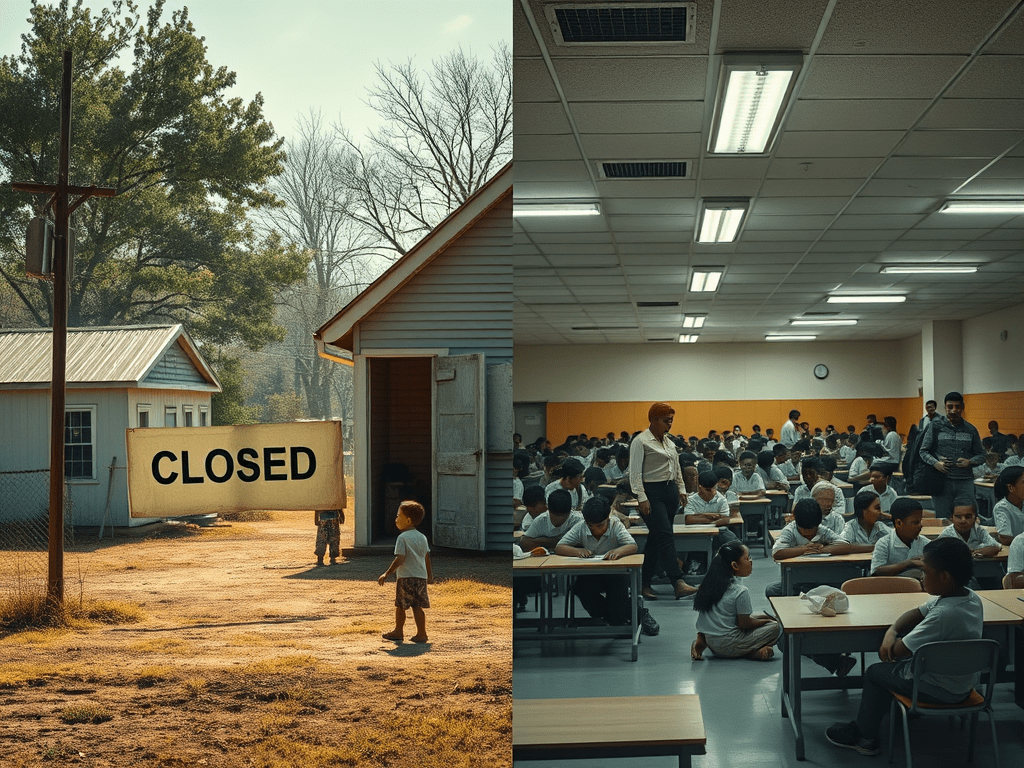
The 2024 election introduced bold promises from President-Elect Donald Trump, including significant cuts to federal departments and agencies. While many voters sought change, understanding the implications of these cuts—especially for people in rural and urban areas—is critical. Below, we’ll break down the departments on the chopping block and explore how these changes could impact communities nationwide.
Departments and Programs Trump Has Proposed Cutting
President-Elect Trump has floated the idea of reducing or eliminating specific departments. Here are the most notable:
- Department of Education (DOE)
- Proposal: Trump has expressed intentions to dismantle the Department of Education, aiming to transfer educational control back to the states. Source: VOX
- Impact:
- Rural Areas: Many rural schools rely heavily on federal funds, including Title I grants for low-income students and special education funding. Cuts could lead to teacher layoffs, school closures, or limited extracurricular programs.
- Urban Areas: Urban schools, often already struggling with overcrowding and underfunding, could face similar challenges. However, larger tax bases might help some cities compensate for the loss.
- Environmental Protection Agency (EPA)
- Proposal: Reduce EPA’s budget significantly, delegating environmental protection to states. Source: The Hill & Verge
- Impact:
- Rural Areas: Communities near agricultural or industrial sites might see weaker enforcement of clean water and air regulations. This could disproportionately affect small towns where pollution from large industries has fewer checks.
- Urban Areas: Cities dealing with smog or water quality issues (e.g., Flint, Michigan) could struggle to address these concerns without federal funding or oversight.
- Department of Housing and Urban Development (HUD)
- Proposal: While specific plans are less detailed, there have been discussions about reducing HUD’s role, potentially impacting programs like Section 8 housing vouchers. Source: NMHC
- Impact:
- Rural Areas: Affordable housing programs might disappear, leaving low-income families with few options in areas with limited housing.
- Urban Areas: Cuts to HUD would be felt acutely in cities with high rental costs, exacerbating homelessness and housing insecurity for vulnerable populations.
- National Endowments for the Arts and Humanities (NEA/NHA)
- Proposal: Eliminate funding entirely. This was promised in 2020, but I believe it is relevant to reference again. Source: Artsy
- Impact:
- Rural Areas: Small towns often rely on NEA grants for local cultural projects, from art exhibits to theater productions, stimulating tourism and regional pride.
- Urban Areas: While cities may have larger private funding pools for the arts, community-based programs, especially those serving low-income populations, could suffer.

Why These Cuts Matter to Rural and Urban America
The proposed cuts reflect a broader ideological shift toward smaller government. However, the reality is more complex, as many federal programs fill critical gaps that states and localities cannot easily address.
- Rural America:
Rural areas often have fewer resources to offset the loss of federal funds. When federal dollars disappear, local governments might be unable to pick up the slack due to smaller tax bases and limited infrastructure. From education to environmental protection, rural Americans could face significant challenges. - Urban America:
Cities are home to more people and larger economies, giving them a slight edge in cushioning the blow. However, the scale of urban poverty, housing crises, and environmental challenges means federal cuts could amplify existing inequities.
What Can Be Done?
- Engage with Local Officials:
Advocacy at the state and local levels will become even more important. Residents can push for local governments to prioritize funding for programs affected by cuts. - Stay Informed:
Understanding how federal cuts might impact your community is the first step to proactively addressing challenges. - Support Grassroots Efforts:
Nonprofit organizations and community groups often step in when government funding shrinks. Supporting these initiatives can help mitigate the impact of federal cuts.
Closing Thoughts
The proposed cuts reflect a vision of smaller government, but their ripple effects will touch millions of lives, particularly in vulnerable communities. Whether in a rural town or a thriving city, staying informed and engaged is vital. By understanding the potential impacts, we can better prepare for the challenges ahead and advocate for solutions that work for all Americans. I plan to continue documenting these policies’ influence over the next four years.
What do you think about these potential cuts? How would they impact your community? Share your thoughts in the comments below.



 Adventures of a Lonely, Bookish, Black Girl
Leave a Reply