
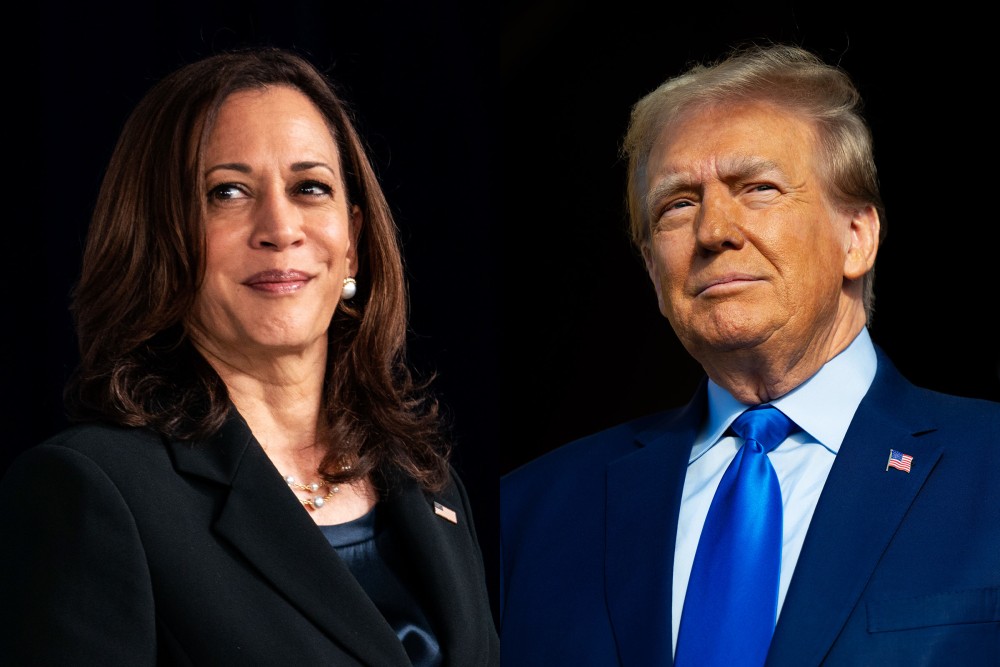
The 2024 U.S. presidential election results, in which Vice President Kamala Harris faced a significant defeat against Donald Trump, underscore important indicators influencing voter sentiment. To fully grasp these factors, it is essential to impartially examine the economic, social, and geopolitical trends prevalent in the lead-up to the election.
1. Economic Challenges
- Inflation: Rising costs of goods and services affected households across income levels. Despite efforts to curb inflation, public perception of inadequate relief persisted.
- Job Market Stagnation: While unemployment rates remained low, concerns about underemployment and wage stagnation hurt the administration’s image.
- Energy Prices: High gas and energy prices, exacerbated by international tensions, were vital in shaping voter discontent.
2. International Tensions
- Conflict Abroad: Escalating conflicts, including tensions with Russia and China, heightened concerns about U.S. leadership on the global stage. The impact of the genocide in Gaza can not be understated either.
- Withdrawal Fallout: Lingering criticisms over previous military withdrawals affected perceptions of the administration’s foreign policy competence.
- Geopolitical Uncertainty: Perceptions of the U.S. losing its global dominance resonated with voters concerned about national security and international stability.
3. Public Perception and Messaging
- Policy Communication: Difficulty communicating policy wins, such as infrastructure improvements or healthcare reforms, left many voters unaware of accomplishments.
- Media Narratives: Persistent narratives questioning Harris’s leadership experience may have undermined voter confidence.
- Polarization: An already polarized electorate amplified partisan perceptions, limiting her ability to gain support beyond her base.
4. Social Issues and Cultural Shifts
- Cultural Polarization: Debates around critical social issues like education, LGBTQ+ rights, and immigration deepened divisions, energizing conservative voters.
- Rural vs. Urban Divide: Harris struggled to appeal to rural voters, where cultural and economic grievances fueled support for Trump.
- Demographic Turnout: While turnout among progressive voters was strong, turnout in key demographics, such as young and minority voters, was lower than expected.
5. Campaign Strategy
- Swing States: Weak performance in traditionally competitive states like Wisconsin, Pennsylvania, and Florida signaled a failure to connect with moderate and independent voters.
- Opponent’s Narrative: Trump’s messaging, focusing on “America First” and a strong economy under his prior administration, resonated with voters seeking stability.
- Debate Performance: Public perception of debates and campaign events may have influenced undecided voters.
6. Lessons from the 2024 Election
- Connecting Policies to People’s Lives: Effective messaging and framing policies regarding direct impacts on voters could address communication gaps.
- Adapting to Geopolitical Shifts: Demonstrating strength and clarity on foreign policy is essential for restoring confidence.
- Bridging the Divide: Addressing the rural-urban divide through targeted policies and engagement may help future candidates build broader coalitions.
Economic challenges, geopolitical uncertainties, and campaign dynamics shaped Kamala Harris’s loss in the 2024 election. The results underscore the importance of addressing public sentiment, clearly communicating policy achievements, and adapting to an evolving political landscape. For future candidates, these insights offer a roadmap to navigating complex electoral environments.



 Adventures of a Lonely, Bookish, Black Girl
Leave a Reply